Protecting and Restoring Your Natural Teeth
A dental crown is one of the most versatile and trusted restorations in modern dentistry. Designed to completely cap or encase a damaged, decayed, or weakened tooth, a crown restores the tooth's original shape, size, strength, and appearance — allowing you to bite, chew, and smile with complete confidence. At Long Lake Family Dentistry, we combine advanced digital technology with the highest-quality materials to create crowns that look and feel entirely natural.
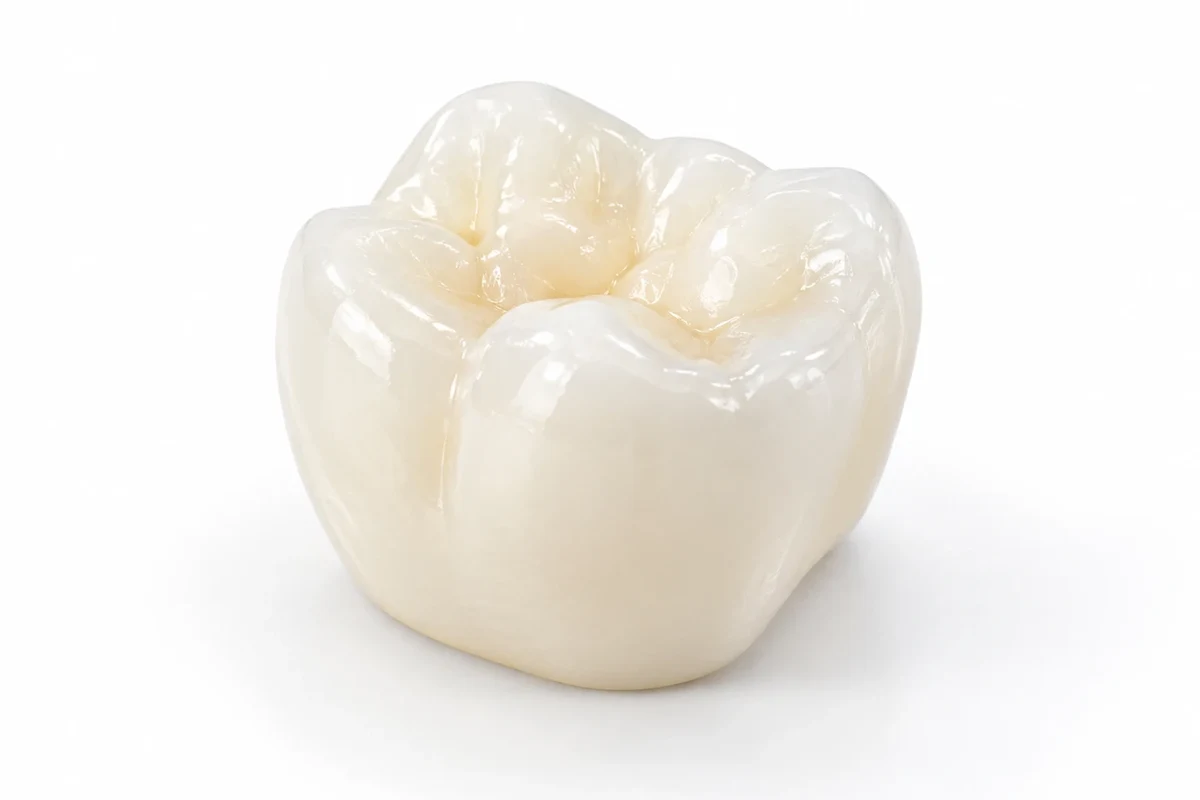
Teeth can become damaged through many circumstances — deep cavities that can no longer be treated with a filling alone, cracks or fractures from injury or biting pressure, significant wear from grinding, failed or oversized old restorations, or the need to protect a tooth following root canal therapy. In all of these situations, a well-crafted dental crown provides the structural reinforcement necessary to preserve the natural tooth rather than resorting to extraction. Keeping your natural tooth is always our first priority, and a crown is often the ideal solution to make that possible.
Beyond their protective function, crowns are also a powerful cosmetic tool. Severely discoloured, misshapen, or structurally compromised teeth can be dramatically transformed with a porcelain or zirconia crown that is precisely shade-matched to the surrounding teeth. The result is a restoration that is virtually indistinguishable from the natural tooth beside it — not just functional, but genuinely beautiful.
Types of Crowns We Offer
All-Porcelain Crowns
The most aesthetic option, ideal for front teeth. Translucent and natural-looking, they mimic the light-reflecting qualities of real enamel perfectly.
Zirconia Crowns
Exceptionally strong and biocompatible, zirconia crowns are ideal for back teeth that endure heavy chewing forces while still offering an excellent appearance.
Porcelain-Fused-to-Metal
A time-tested option combining the strength of a metal core with a porcelain exterior. Durable and reliable for both front and back teeth.
Gold & Metal Alloy
Highly durable and biocompatible, metal crowns require minimal tooth reduction and are exceptionally long-lasting — preferred by some patients for back molars.
The Benefits of Dental Crowns
Protects and strengthens weakened teeth
Restores a natural, beautiful appearance
Preserves your natural tooth structure
Long-lasting — up to 15 years or more
Fully restores biting and chewing function
Boosts confidence with a seamless smile
What to Expect During Your Crown Procedure
Consultation & Examination
We begin with a thorough examination, including digital X-rays, to assess the health of the tooth and surrounding bone structure and confirm that a crown is the right solution for you.
Tooth Preparation
The tooth is gently reshaped under local anaesthetic to create space for the crown. Any damaged or decayed material is removed, and the tooth is built up as needed to provide an ideal foundation.
Digital Impressions
Using precise digital scanning technology, we capture a detailed 3D impression of your prepared tooth and surrounding teeth. This eliminates messy traditional moulds and ensures an extremely accurate fit.
Temporary Crown Placement
A custom temporary crown is placed to protect the prepared tooth and maintain your appearance and function while your permanent crown is expertly crafted at our dental laboratory.
Permanent Crown Fitting
At your second appointment, your permanent crown is carefully checked for fit, bite, and colour match before being permanently cemented into place. We make any fine adjustments to ensure your complete comfort.
With proper care — regular brushing, flossing, and routine dental visits — a well-placed crown can last 10 to 15 years or longer. Our team will provide you with clear, practical guidance on how to care for your crown so it continues to serve you beautifully for years to come.
If you have a tooth that is cracked, heavily filled, or causing you concern, don't wait for the problem to worsen. The sooner a damaged tooth is protected with a crown, the better the long-term outcome. Contact Long Lake Family Dentistry today to schedule a consultation — we'll help you understand all your options and find the solution that's right for your smile and your life.