Safe, Gentle, and Comfortable Extractions
At Long Lake Family Dentistry, our first priority is always to save your natural tooth. But when a tooth is too damaged, infected, or crowded to treat effectively, extraction is the most responsible option — and when done well, it relieves pain quickly and sets you up for a healthy recovery and replacement plan.
💡 We Always Explore Every Option First
We never recommend extraction lightly. Before removing any tooth, we thoroughly assess whether a filling, crown, or root canal could save it. Only when a tooth is truly unsalvageable — or when keeping it would put surrounding teeth and bone at risk — do we recommend extraction. We'll always explain your options clearly so you can make the best decision for your long-term oral health.
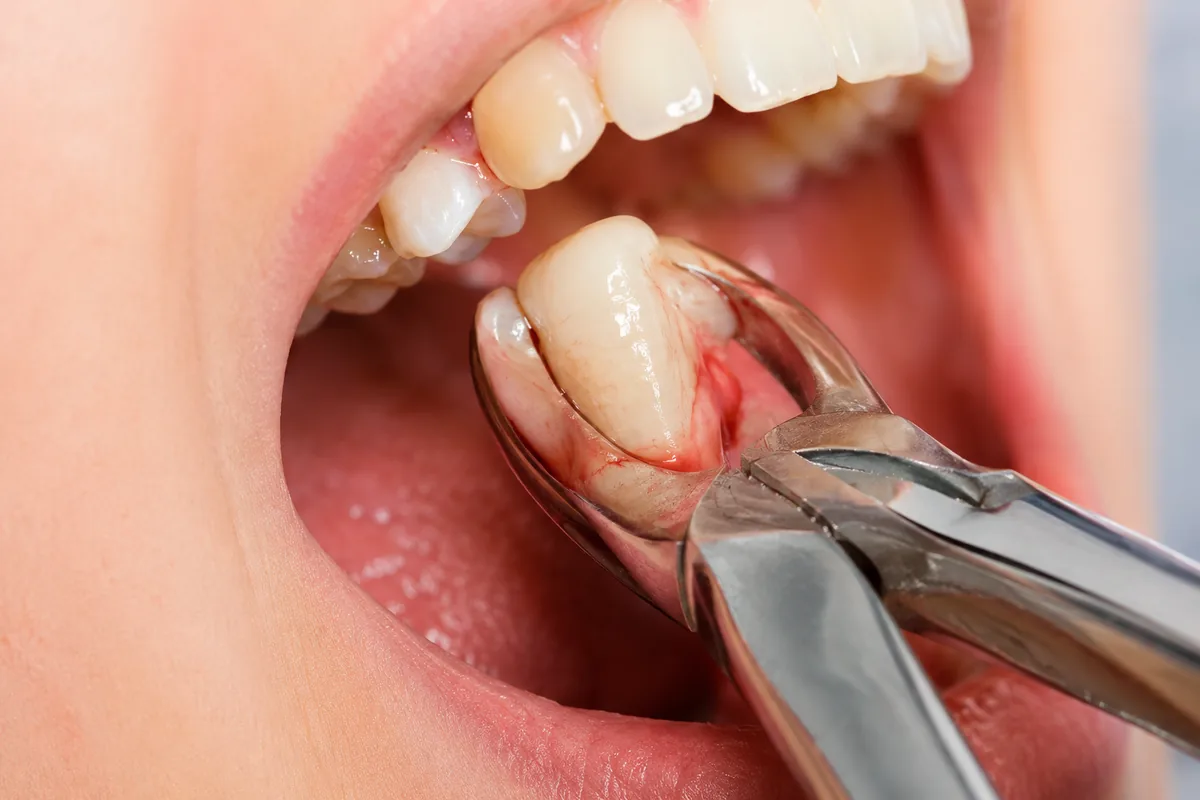
Extractions are performed under local anaesthesia so you remain comfortable throughout. For patients with anxiety, we can discuss additional comfort options at your consultation. After the procedure, we provide thorough aftercare instructions and are available to answer any questions during your recovery.
Reasons a Tooth May Need to Be Removed
Types of Extractions
Simple Extraction
Performed on a tooth that is visible above the gum line. The tooth is loosened with a dental instrument and gently removed in one piece. Most extractions fall into this category and are completed quickly under local anaesthetic.
Surgical Extraction
Required when a tooth is broken below the gum line, has curved roots, or is impacted (like wisdom teeth). A small incision is made to access the tooth. Still performed under local anaesthetic and completed in-office in most cases.
Wisdom Tooth Removal
Wisdom teeth (third molars) frequently cause problems — impaction, crowding, infection, or partial eruption that traps bacteria. We assess wisdom teeth with panoramic X-rays and recommend removal when they pose a risk to your oral health.
Baby Tooth Extraction
Occasionally a primary (baby) tooth won't fall out on its own and needs to be removed to make way for the permanent tooth underneath. This is a straightforward procedure performed gently to keep children comfortable and at ease.
What to Expect During the Procedure
Examination & X-Rays
We take a digital X-ray of the tooth to assess its root shape, position, and the surrounding bone. This allows us to plan the extraction precisely and anticipate any complexity before we begin.
Local Anaesthesia
The area is thoroughly numbed with local anaesthetic. We wait until you confirm you're completely comfortable before proceeding. You may feel pressure or movement, but you should not feel pain.
Extraction
For a simple extraction, we gently loosen the tooth with a specialized instrument before lifting it free. Surgical extractions may involve a small incision to access the root. Most extractions take only a few minutes once you are numb.
Clot Formation & Gauze
Once the tooth is out, we place gauze over the socket and ask you to bite down gently to help a blood clot form. This clot is critical to healing — we'll explain exactly how to protect it at home.
Aftercare Tips for a Smooth Recovery
Bite on gauze for 30–45 min to help the clot form
Apply an ice pack (20 min on, 20 off) to reduce swelling
Eat soft foods for 24–48 hours; avoid hard or crunchy items
Avoid smoking — it significantly delays healing and risks dry socket
Take pain relief as directed; most discomfort resolves in 2–3 days
Don't use a straw — suction can dislodge the blood clot